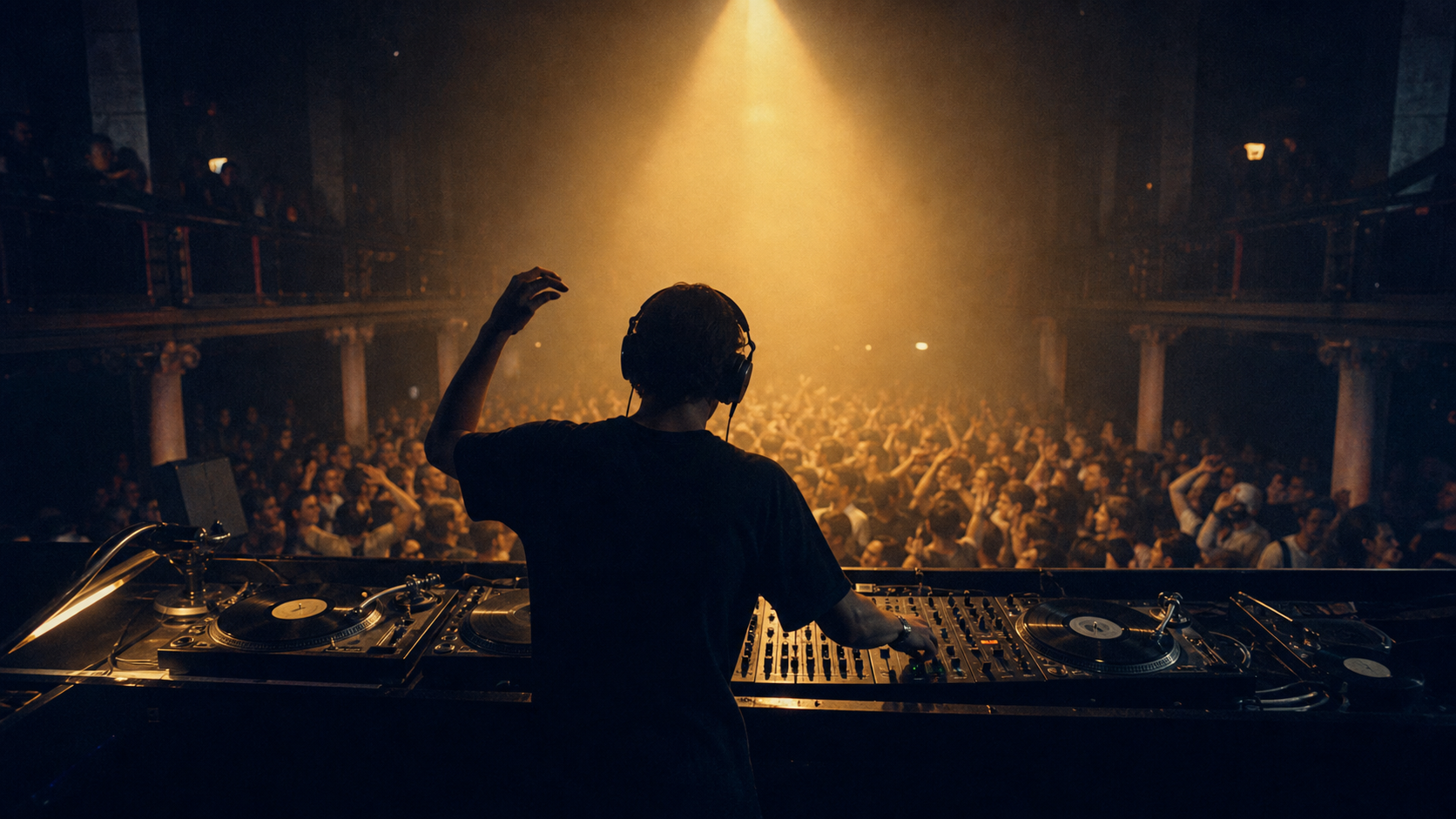
The DJ Moment of AI Music
There are moments in music history when a new tool is not understood as a tool at first, but as an attack. Somebody puts a machine in the room, and suddenly the subject is no longer just sound. It is status. Roles. The question of who even has the right to call themselves "Music Producer".
With AI music, that is happening again right now.
Before we talk about the early 90s, a quick jump back into the 80s. As a teenager, pop music, samplers and recording were the world that shaped me. There was the Fairlight CMI. Expensive, rare, visible. An instrument that stood in the studios where money, ambition and pop future met. If you had a "Workstation" like that, you did not simply have more sounds. You had a new way to think about music: cut, sample, repeat, move, build.
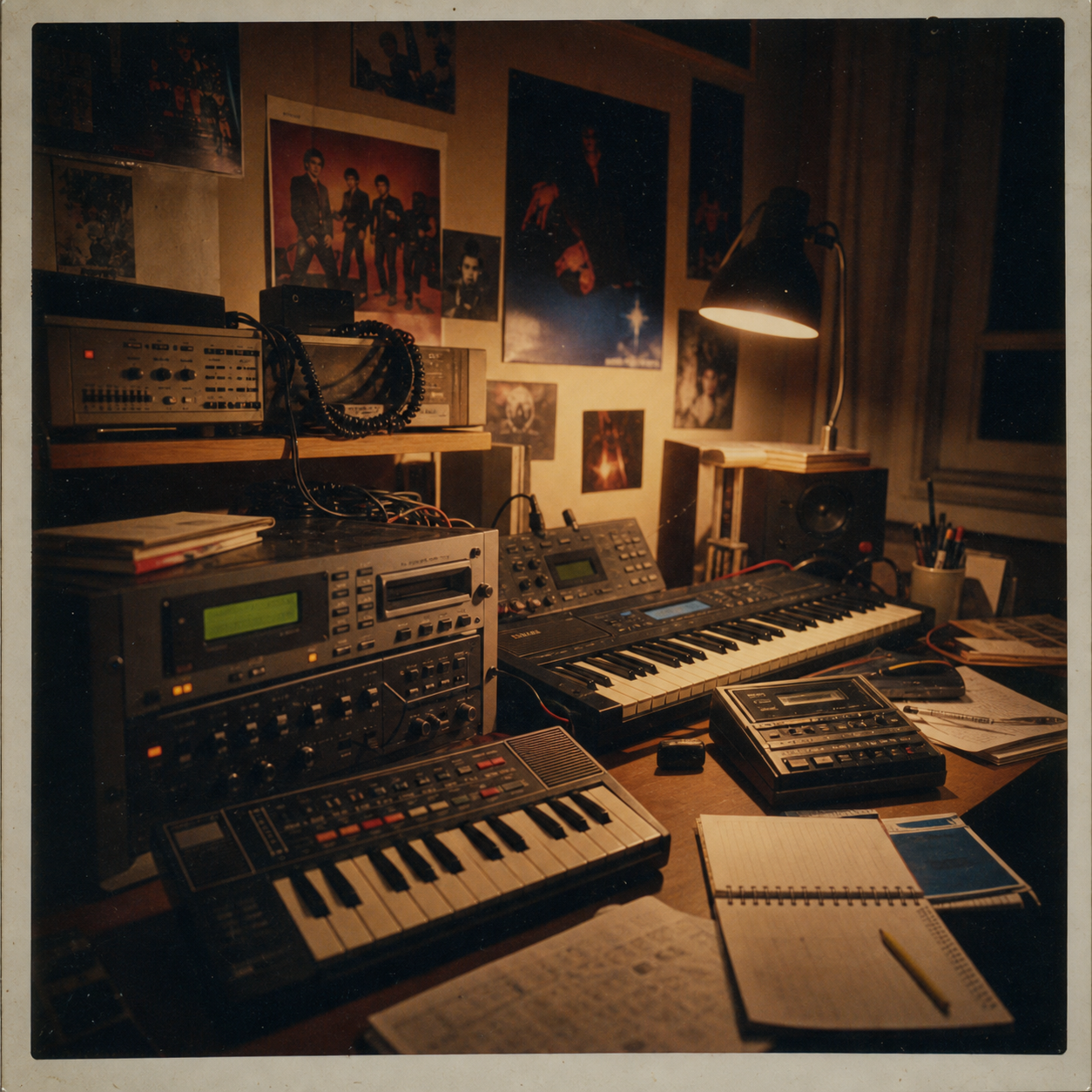
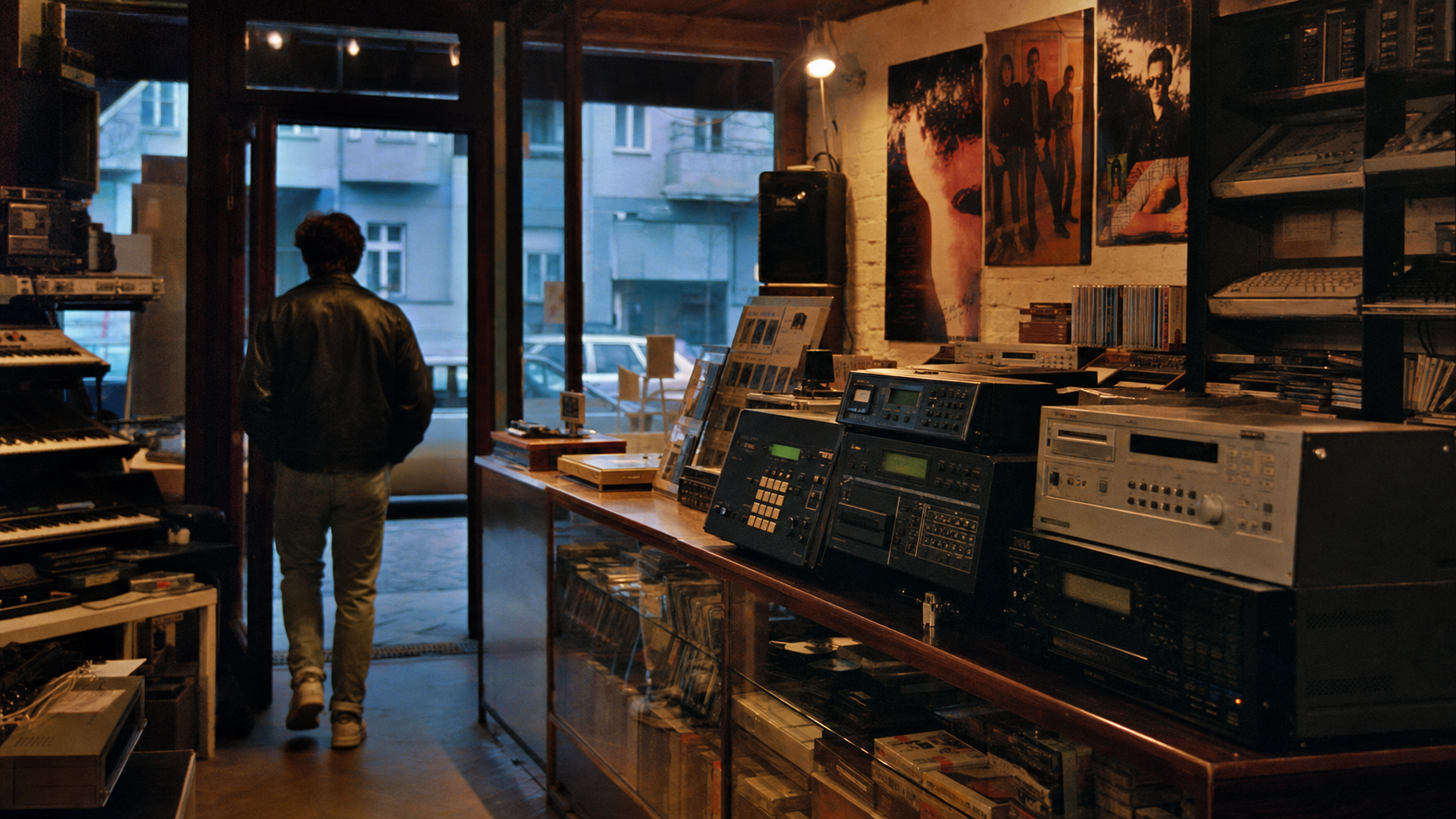
With a bit of luck you got your hands on an Emulator 2. Sound- und Drumland Berlin, Pariser Strasse 9, Wilmersdorf. Was that not Fairlight owner Reinhold Heil walking through the door? Before I knew it, I had several samplers in my own teenage bedroom. Not just the Casio SK-1 from the toy store, but the first AKAIs, Rolands and KORG samplers. What a moped was for another teenager started turning into a home studio for me.
Trevor Horn is a good anchor for that phase. His productions show how much 80s pop already came from studio decisions and sampling thinking. Frankie Goes to Hollywood. Grace Jones, Slave to the Rhythm. That was not songwriting plus recording. That was pop as a constructed space.
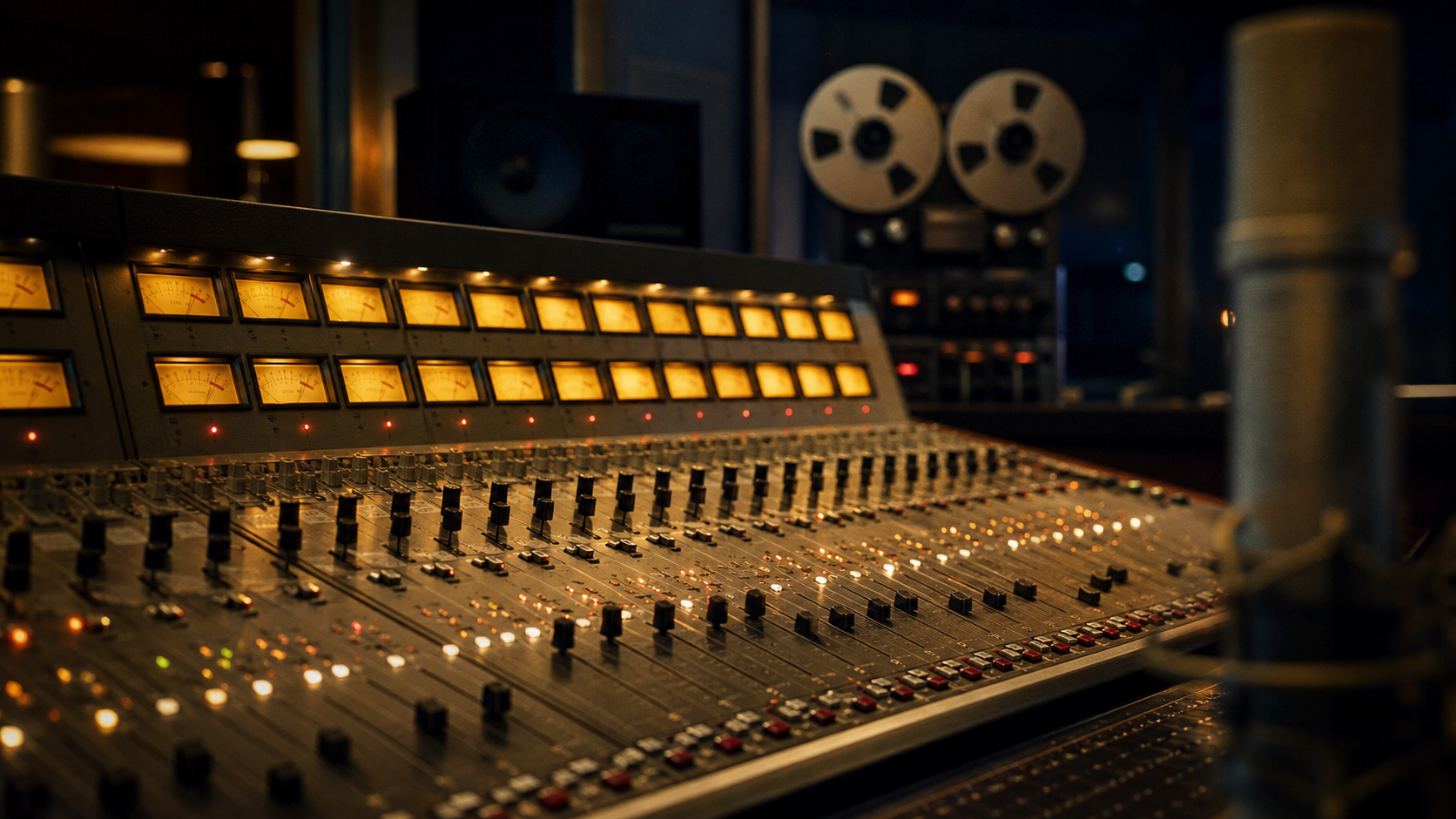
The point: even before AI, pop was never the pure performance of a song. Pop has always also been the story of people using new tools in ways that irritated everybody else at first.
Then came the DJs.
In the early 90s the room shifted again. Cubase was there, samplers were there, DAT recorders sat in project studios and on tables next to machines that still smelled like the future to the older generation. Pro Tools arrived, sequencers became more normal. Music no longer had to come only from the logic of bands or studio musicians.
And let us not forget Dr. Gerhard Lengeling. Back in the 80s he built the best MIDI software around for the Commodore C64, later founded Emagic and invented Logic. His former company still sits in Rellingen near Hamburg, has belonged to Apple since the early 2000s and keeps developing Logic Pro and GarageBand from there. Found on almost every Mac and iPad. Pop, written in a suburb of Hamburg.
The DAT recorder works as an image because it does not sound mythical. Not a golden vintage synthesizer that people romanticize today. More like this hard, practical transition object: digital, portable, serious enough for real master tapes that I handed over to Sony Music or Polydor with huge pride. At the same time completely ordinary in daily life, a tape deck for musicians. Devices like that often change more than the later story admits. Not because they make music by themselves, but because they shorten the paths.
The DJ did not have to be a musician. He simply invented himself as his own category, somehow even cooler than a musician. Harmony theory? The DJ did not need it. Master studio technique and keyboards? His friend Achim did that, who at first had no idea what good music was and later became a sought after ghost producer for all the cool dance labels.
The DJ was the new pop god: he knew what actually moved people, which hook stayed, which song turned the room into a temple, which groove pushed the beautiful people onto the dance floor. That was not a replacement for musicians. It was a new category, and it still exists.
That is exactly where AI music gets interesting.
AI is again giving people access to a production power they did not have before. Strong taste, a clear picture, a feel for songs and pop culture can suddenly be translated into material much faster. That is a real shift.
An AI output can feel big in the first moment. Voice, performance, fat mix, plausible arrangement.
But the DJ moment of AI music is not a free pass. Now we find out who can hear. And whether there will be someone who travels the world as a "Prompt DJ", collecting hits, gold records and Grammys, the way David Guetta has over the last 20 years.
In a world where material becomes cheap, judgement becomes more expensive. Very practically: which version stays? Which hook is too smooth? Which vocals scream "AI"? Which kick only works solo? Where do you regenerate instead of mixing, where do you cut, reduce, replace?
That is the practical lens.
The old mix craft has not dissolved just because the source is new. Low end remains low end. Spaces remain spaces. Dynamics remain dynamics. A vocal needs a credible role in the track. An arrangement has to guide energy. A mix has to survive outside the prompt window.
The difference is that the mistakes are packaged differently now. In the past, a weak demo often sounded like one right away. Today, a weak AI output can feel very finished at first glance. That makes it more dangerous, not better.
The advantage is not in the tool. The advantage is in the combination of pop instinct, selection, arrangement, sound and mix judgement.
The DJ moment is coming back. Only this time the sampler is not at the center. It is a generator that spits out material in seconds.
The tool has changed. Judgement has not become cheaper.